
tempered glass process
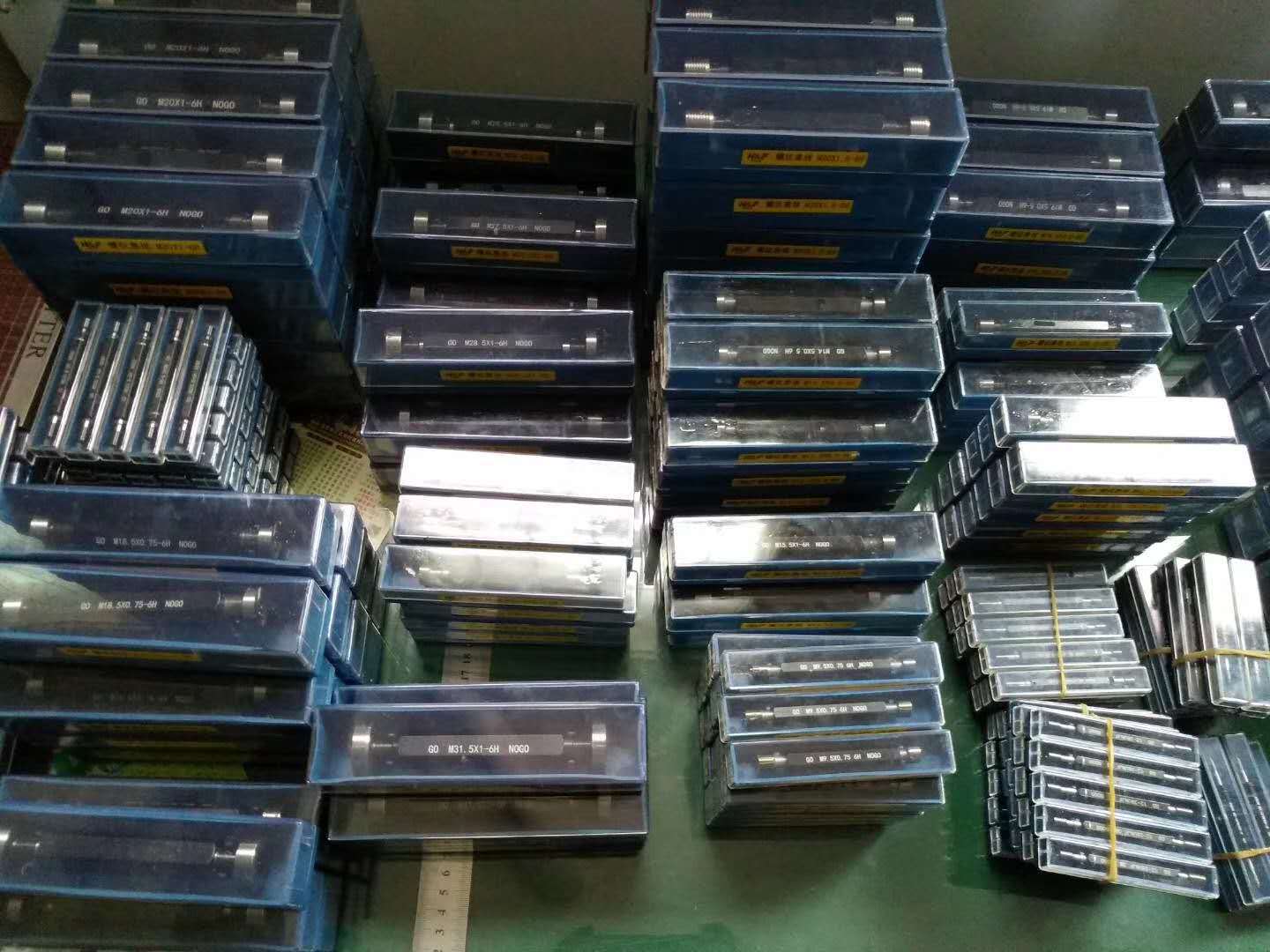
Understanding Gauge Pin Class A Comprehensive Overview In the realm of precision engineering and manufacturing, the concept of gauge pin classes plays a pivotal role in ensuring measurement accuracy and quality control. Gauge pins are often utilized as reference tools in the checking of dimensions, particularly in hole diameters, and it is essential to comprehend the various classes and standards associated with them. What are Gauge Pins? Gauge pins, also known as gauge blocks or precision pins, are cylindrical tools used to measure or check the diameter of holes accurately. Typically made from high-quality steel or carbide, these pins are designed to provide a specific diameter that is standardized, allowing for consistent measurements across various applications. They are integral to the fields of manufacturing, quality assurance, and mechanical engineering. Classification of Gauge Pins Gauge pins are classified according to their tolerances, which define how much deviation from the nominal size is permissible. These tolerances are critical to ensure that the parts being manufactured fit together correctly. The common classes of gauge pins include 1. Class A These pins have the tightest tolerances and are used in applications where precision is paramount. They are ideal for industries that require high-quality measurements and fittings, such as aerospace and automotive sectors. 2. Class B This class allows for slightly larger tolerances than Class A while still maintaining high levels of accuracy. Class B gauge pins are often used in situations where some degree of tolerable variation is acceptable, making them versatile for general engineering applications. 3. Class C Class C pins have the widest tolerances and are typically employed in applications where precision is less critical. They are commonly used in initial checking processes or for parts that do not require a high level of accuracy. gauge pin class The classification of gauge pins ensures that engineers and quality control professionals can choose the right tool for their specific needs, improving efficiency and accuracy in the manufacturing process. Standards and Measurement The tolerances associated with gauge pins are defined by various international standards. One of the most recognized standards is ISO (International Organization for Standardization) 286, which outlines the general principles of dimensional tolerancing. These standards are crucial as they provide a universal language for manufacturers, helping to ensure that different components fit together seamlessly regardless of where they were produced. Accurate measurement using gauge pins involves the right techniques. For instance, when measuring a hole, the pin should be inserted with a steady force to avoid altering the reading due to unexpected flexing or misalignment. It’s also vital to ensure that the pins are clean and free from debris to maintain the integrity of the measurements. Applications of Gauge Pins Gauge pins are widely used across various industries. In manufacturing, they are used to verify hole sizes, ensuring that parts assemble correctly. In quality control, they help in validating the production processes by confirming that components meet specified tolerances before they leave the factory. Moreover, in the tool and die industry, gauge pins are used as references for creating molds and dies, which must be manufactured to exact specifications. They also find applications in the calibration of measuring equipment, providing reliable benchmarks that enhance the precision of other measurement tools. Conclusion In conclusion, gauge pin classes are essential elements in the field of precision measurement and quality assurance. Understanding the different classes, tolerances, and applications of gauge pins enables engineers and manufacturers to select the right tools for their specific needs, promoting high standards of accuracy and efficiency in production. As industries continue to demand higher precision, the importance of gauge pins and their classification will only grow, underscoring their integral role in the future of manufacturing and engineering. Whether in aerospace, automotive, or general engineering, the significance of gauge pins remains undeniable, confirming their place as indispensable tools in the quest for quality and precision in modern manufacturing.
about
tempered glass process
Understanding Precision Frame Level in Data Analysis In the realm of data analysis, precision is a critical concept that significantly influences the quality of insights derived from datasets. Among various analytical frameworks, precision frame level has emerged as a vital measure for determining accuracy and reliability in data-driven decisions. This article delves into the intricacies of precision frame level, highlighting its importance, applications, and implications in contemporary data analysis. Defining Precision Frame Level At its core, precision frame level refers to the accuracy of a set of data points within a specific frame or context. It reflects how closely a given dataset approximates the true values of the parameters being measured. This level of precision is crucial for analysts who rely on data to make informed decisions, as it directly impacts the credibility of the results obtained. In a statistical sense, precision can be quantified using various metrics, including confidence intervals, p-values, and standard deviations, each providing insight into the robustness of the data. Importance of Precision in Data Analysis Precision is fundamental for two main reasons reliability and trust. Firstly, data-driven decisions are often premised on the assumption that the information being analyzed is accurate. High precision ensures that analysts can rely on the data, leading to more sound conclusions. For example, in fields such as healthcare, financial forecasting, or machine learning, even minor discrepancies can result in significant consequences, such as misdiagnoses or erroneous financial predictions. Secondly, the level of precision affecting stakeholder trust cannot be overstated. When organizations present findings based on imprecise data, they risk losing credibility. This is particularly critical in industries like pharmaceuticals, where the efficacy of a drug must be supported by precise data to gain regulatory approval. Applications of Precision Frame Level precision frame level Precision frame level is applicable across numerous fields, including social sciences, engineering, and marketing. In social sciences, researchers employing surveys must focus on refining their questions to ensure high precision in the responses collected, thereby guaranteeing that the analysis closely mirrors public sentiment or behavior. In engineering, precision frame level becomes vital when designing systems that require exact measurements, such as aerospace components or medical devices. The reliability of these systems hinges on the precision of their design data. In the marketing domain, companies increasingly depend on consumer data analytics to tailor their strategies. By ensuring high precision in their data collection and analysis processes, they can create more effective and targeted marketing campaigns, ultimately enhancing consumer engagement and satisfaction. Challenges to Achieving High Precision Despite its importance, achieving high precision frame levels is not without challenges. Sampling errors, biases in data collection, and computational limitations can all undermine the precision of data. Moreover, the more complex the data, the harder it becomes to maintain a high level of precision. This necessitates a multi-faceted approach to data management that includes careful study design, robust statistical methods, and continual data validation. Conclusion In summary, precision frame level is a pivotal measure in data analysis that dictates the reliability of insights derived from datasets. By understanding its significance and striving for precision, analysts can enhance the quality of their findings, boost stakeholder confidence, and drive informed decision-making. As the volume of data continues to grow, so too does the importance of precision, making it a cornerstone of effective data analysis practices. Emphasizing accuracy and reliability will shape the future of data-driven decision-making in a world increasingly reliant on precise information.
-

High quality industrial productsagement

High quality industrial products
View Details -

Meet the diverse needs of customers

Meet the diverse needs of customers
View Details -

Strict quality control

Strict quality control
View Details -

Top raw materials

Top raw materials
View Details -

Trusted supplier

Trusted supplier
View Details
Our application

news and information
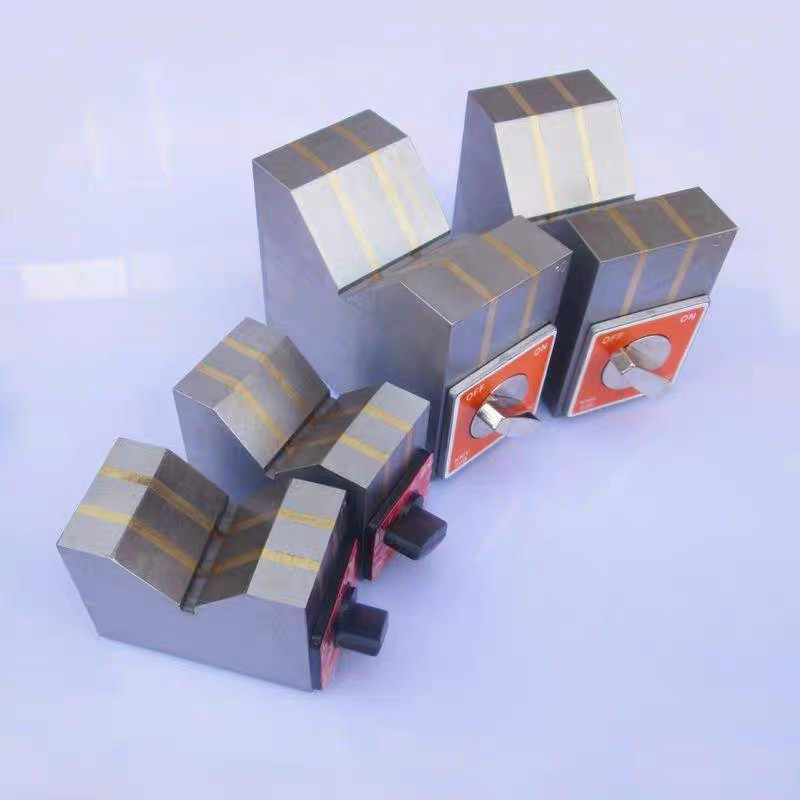
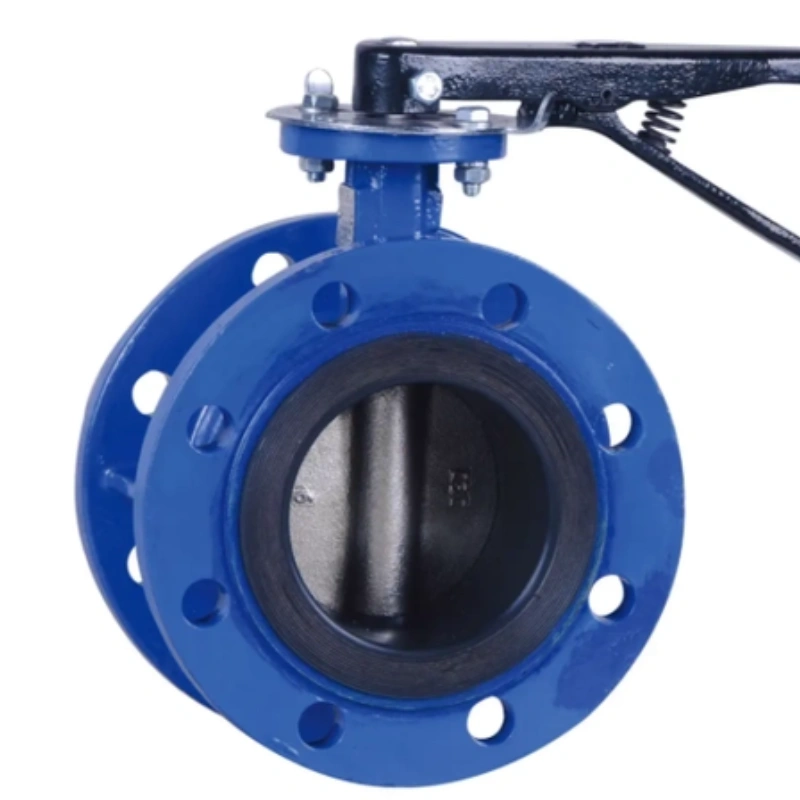
various types of control valves
Various Types of Control Valves Control valves are critical components in a range of engineering app
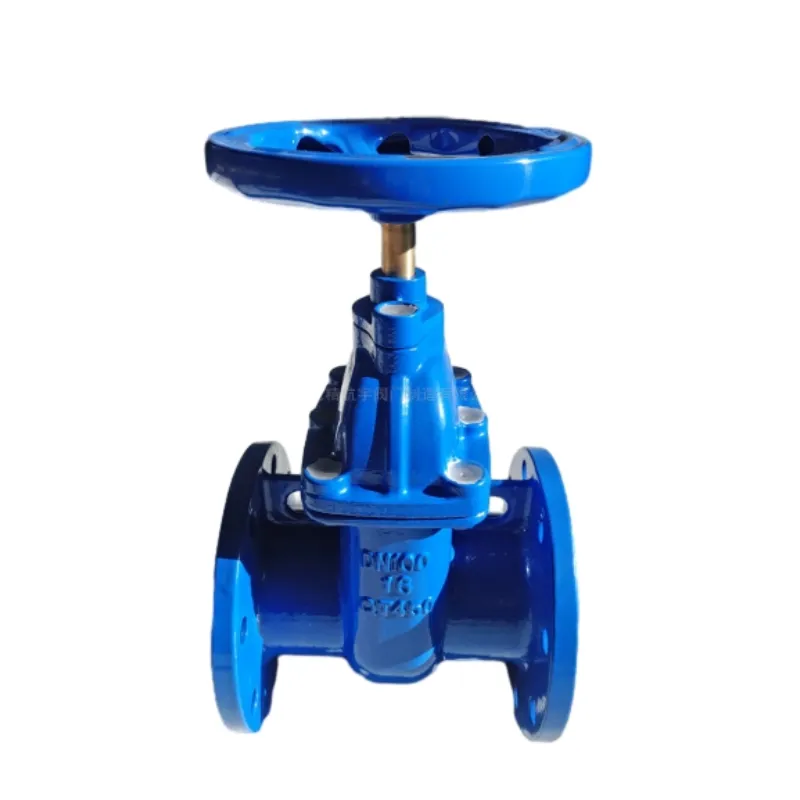
Versatile Metal Ruler for Precise Right Angle Measurements in DIY Projects
The Right Angle Metal Ruler A Crucial Tool for Precision and Accuracy In the realm of measurement an
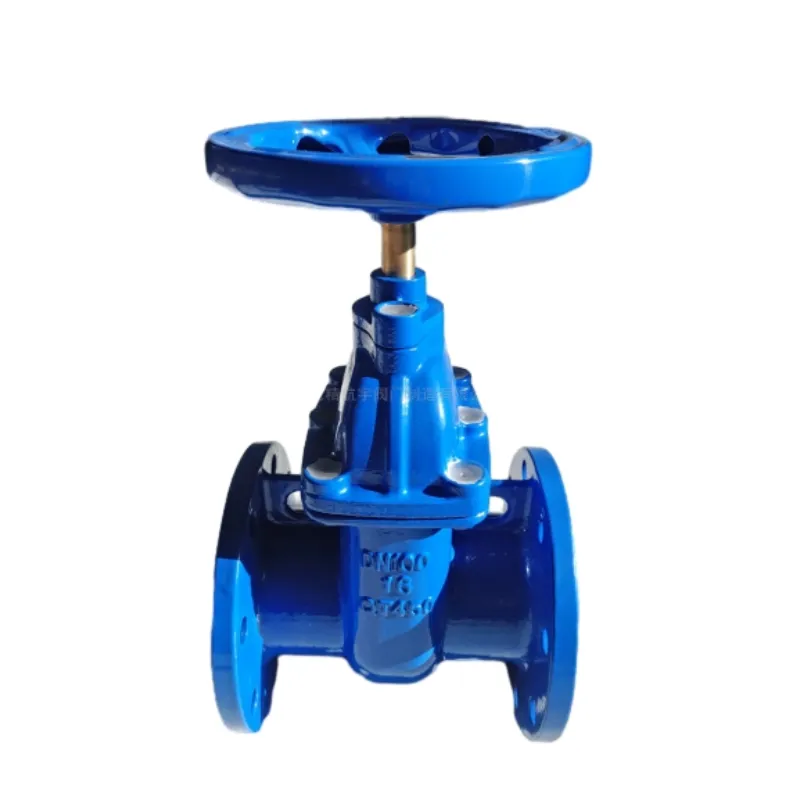
Versatile Wood Connector Brackets for Durable and Secure Construction in Various Projects
Understanding Wood Connector Brackets Essential Components for Woodworking Projects In the realm of
 English